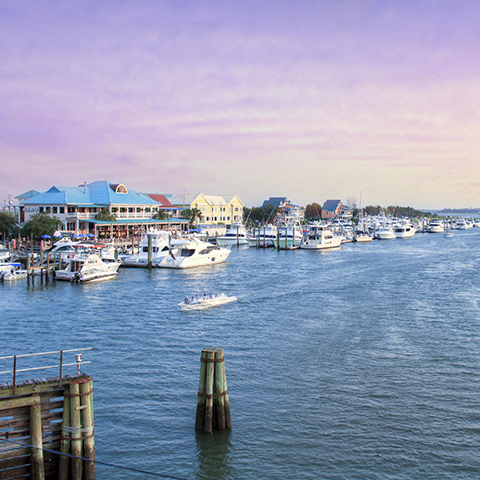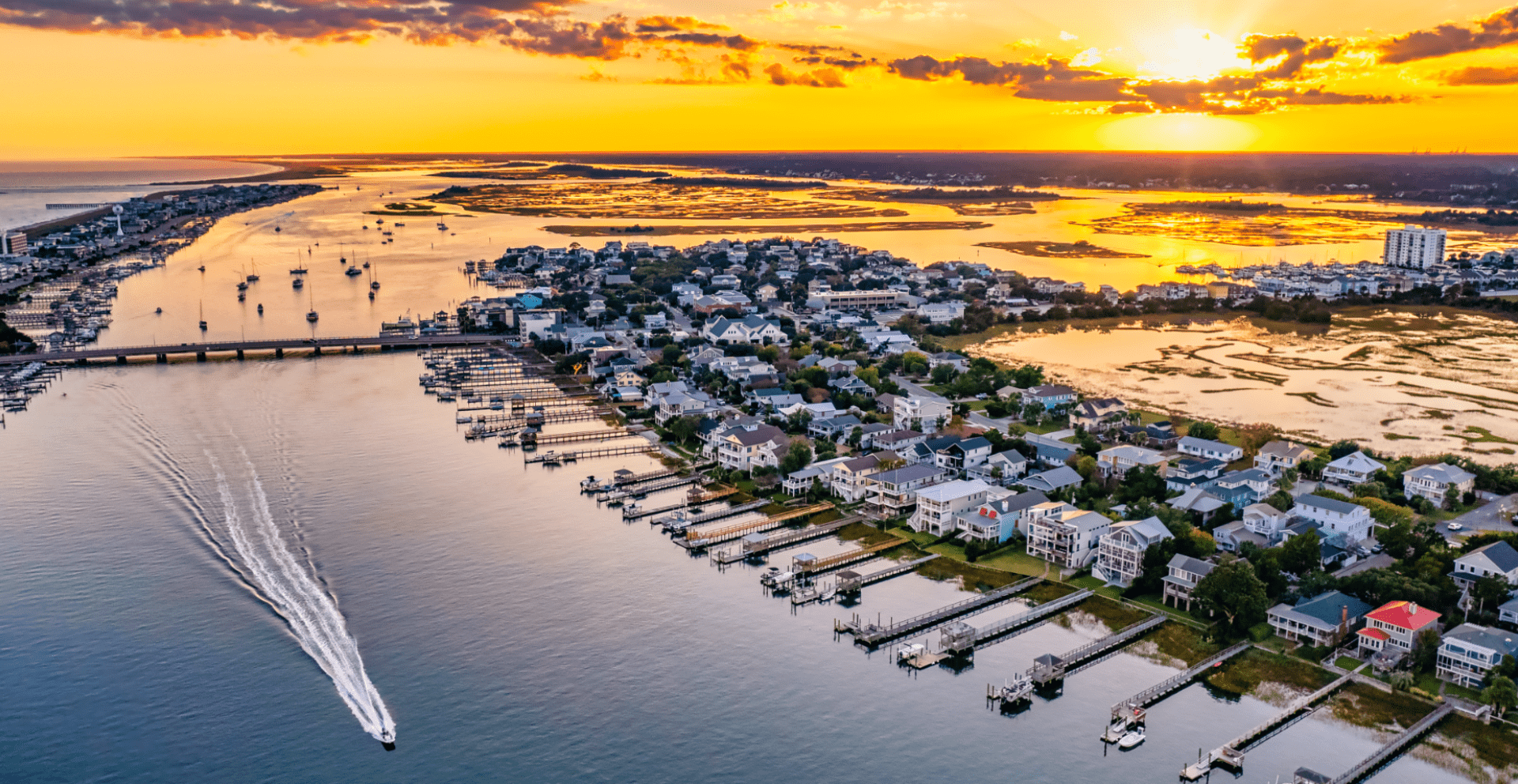
Wilmington is more than a beach town. With a historic riverfront downtown, a thriving local dining scene, established neighborhoods, a growing collection of new-home communities, and three nearby island beaches, it offers a coastal lifestyle with plenty of ways to make everyday life your own.
For buyers considering a move to southeastern North Carolina, the questions often go beyond finding the right house. What are the neighborhoods like? How close are the beaches? What should you know about property taxes, schools, insurance, and the local housing market?
The following FAQ is designed to help you get familiar with Wilmington and the surrounding area before making your move.
Frequently Asked Questions About Moving to Wilmington, NC
- Where is Wilmington, North Carolina?
Wilmington is located in southeastern North Carolina in New Hanover County, along the Cape Fear River and just inland from the Atlantic coast. It’s the region’s primary hub for shopping, dining, healthcare, education, employment, and entertainment.
The greater Wilmington area also includes nearby coastal towns and communities such as Wrightsville Beach, Carolina Beach, Kure Beach, Leland, Hampstead, and Southport. Each offers a different take on coastal living, giving buyers plenty of options depending on their preferred location and lifestyle.
- Why are people moving to Wilmington, NC?
People are drawn to Wilmington for its coastal setting, mild winters, outdoor recreation, historic charm, and growing selection of neighborhoods and housing options. The area offers a balance of everyday conveniences and recreational opportunities, from boating and beach days to local restaurants, golf, arts, and community events.
Wilmington also appeals to people relocating from larger metropolitan areas who want a different pace of life without giving up access to shopping, healthcare, an airport, and other essential services.
- What is it like living in Wilmington, NC?
Living in Wilmington means enjoying a coastal lifestyle while still having the conveniences of a growing city. Residents can spend a morning walking the Riverwalk, an afternoon at the beach, or an evening enjoying one of the area’s many local restaurants.
The city has several distinct areas, from historic downtown and established residential neighborhoods to newer developments in northern and southern Wilmington. The surrounding communities offer even more choices, including waterfront homes, golf communities, master-planned neighborhoods, and custom-home opportunities.
Wilmington is also largely car-dependent, so choosing a location that works with your daily commute, and routine is an important part of the home search.
- What are the best neighborhoods and areas to live in Wilmington?
The best place to live depends on the type of home, neighborhood atmosphere, and amenities you’re looking for. Some popular areas to explore include:
- Historic Downtown Wilmington: Known for its historic homes, walkable streets, restaurants, boutiques, and Cape Fear River waterfront.
- Midtown Wilmington: Offers convenient access to shopping, dining, medical services, and major roadways, with a mix of established neighborhoods and newer housing.
- Porters Neck: Located in northern Wilmington, this area features established neighborhoods, golf communities, newer construction, and convenient shopping.
- Masonboro: A popular area for buyers interested in a coastal setting, established residential neighborhoods, and proximity to waterways and beaches.
- Wrightsville Beach: Offers an island lifestyle with beach access, boating, waterfront dining, and a mix of primary and second homes.
- Carolina Beach and Kure Beach: South of Wilmington, these beach communities offer a relaxed coastal atmosphere, outdoor recreation, and a variety of homes and condos.
- Leland: Just across the Cape Fear River from Wilmington, Leland offers newer neighborhoods, golf communities, shopping, and convenient access to the city.
Other nearby communities, including Hampstead, Southport, and Oak Island, are also worth considering if you’re open to living outside Wilmington proper.
- How much does it cost to live in Wilmington, NC?
The cost of living in Wilmington depends largely on housing, location, lifestyle, and household needs. Home prices can vary significantly between downtown properties, established neighborhoods, newer construction, waterfront homes, and nearby beach communities.
Beyond the purchase price, buyers should budget for property taxes, homeowners insurance, potential flood insurance, utilities, HOA fees, maintenance, and transportation.
If you’re relocating from a larger city, some everyday expenses may feel more manageable, but coastal housing, insurance, and certain services can carry additional costs. Comparing the total cost of homeownership—not just the listing price—is the best way to establish a realistic budget.
- What is the weather like in Wilmington, NC?
Wilmington has a humid subtropical climate, with four recognizable seasons and generally mild winters. Summers are warm and humid, spring and fall are popular times to enjoy the outdoors, and winter temperatures are typically more moderate than in many northern states.
The area’s climate makes year-round outdoor activities possible, including golf, boating, fishing, walking, and spending time at the beach. Summer humidity, thunderstorms, and occasional winter cold snaps are part of life here, too.
Wilmington is also in a coastal hurricane-prone region. Buyers should understand hurricane preparedness, evacuation zones, wind coverage, and property-specific flood considerations before purchasing.
- How close is Wilmington to the beach?
One of Wilmington’s biggest attractions is its proximity to several beaches. Wrightsville Beach, Carolina Beach, and Kure Beach are all within the greater Wilmington area and offer different coastal experiences.
Wrightsville Beach is popular for boating, surfing, paddleboarding, and waterfront dining. Carolina Beach offers a lively boardwalk, fishing, and family-friendly attractions, while Kure Beach is known for a quieter beach atmosphere and access to the North Carolina Aquarium at Fort Fisher.
Travel times depend on where you live, your destination, and seasonal traffic, particularly during the summer.
- What outdoor activities are available in Wilmington?
Outdoor recreation is a big part of the Wilmington lifestyle. Residents enjoy boating, kayaking, paddleboarding, fishing, surfing, golf, cycling, walking trails, and time on the area’s beaches.
Popular destinations include Airlie Gardens, Greenfield Lake Park, the Riverwalk, and the beaches. The region also has numerous public parks, boat launches, marinas, and golf courses.
For those who enjoy being on the water, the Cape Fear River, Intracoastal Waterway, and nearby tidal creeks offer plenty of opportunities to explore the coast.
- Is Wilmington a good place for retirees?
Wilmington is a popular consideration for retirees looking for a coastal lifestyle, outdoor recreation, and access to healthcare, shopping, dining, and cultural activities.
The area offers a variety of housing choices, including low-maintenance homes, condos, golf communities, waterfront properties, and active adult neighborhoods. Nearby communities such as Leland, Southport, and Brunswick County also provide additional options.
The right fit depends on budget, desired amenities, proximity to healthcare, and how much home and yard maintenance you want to take on. It’s worth comparing communities and their HOA or club costs before deciding.
- What should I know about schools in Wilmington?
Wilmington and the surrounding area offer public, private, and independent school options. New Hanover County Schools serves much of Wilmington, while nearby communities may fall within different school districts, including Brunswick County Schools and Pender County Schools.
School assignments are based on the specific property address and can change. Families should confirm attendance zones, enrollment requirements, transportation, and available programs directly with the appropriate school district.
For public school information, start with New Hanover County Schools, Brunswick County Schools, or Pender County Schools, depending on the area you’re considering.
- What is the job market like in Wilmington?
Wilmington serves as an employment and business center for southeastern North Carolina. Major industries in the region include healthcare, education, hospitality and tourism, financial services, manufacturing, construction, logistics, and professional services.
The area is home to the University of North Carolina Wilmington, Cape Fear Community College, major healthcare providers, and a range of local and regional employers.
Remote workers may also find Wilmington appealing, although internet availability and service providers should be verified for the specific property. If you’re relocating for work, consider commute patterns and the location of your employer when narrowing down neighborhoods.
- Does Wilmington have an airport?
Yes. Wilmington International Airport (ILM) provides commercial air service and is located within the city. It offers convenient access for residents who travel for business or leisure, with flight options and routes that can vary by season and airline.
For travelers who need additional flight options, larger airports in Raleigh-Durham and Myrtle Beach may also be worth considering, depending on the destination.
Visit Wilmington International Airport for current airlines, destinations, parking, and travel information.
- What should I know about property taxes when buying a home in Wilmington?
Property taxes in the Wilmington area depend on the property’s location and taxing jurisdictions. A home within Wilmington city limits generally has both county and city property taxes, while homes in nearby towns or unincorporated areas may have different rates and applicable service fees.
For the 2026 tax year, New Hanover County’s countywide rate is 30.20 cents per $100 of assessed value, and the City of Wilmington rate is 33.15 cents per $100 for properties within city limits. Other municipalities, including Wrightsville Beach, Carolina Beach, and Kure Beach, have their own rates.
Tax rates can change, and the property’s assessed value is another important part of the calculation. Buyers should review the current tax bill and verify applicable rates with New Hanover County Tax Administration or the appropriate local tax office.
- Should I be concerned about flooding or hurricanes when buying a home in Wilmington?
Coastal living comes with environmental considerations, and flood risk should be part of every homebuyer’s due diligence in the Wilmington area.
Not every property is in a high-risk flood zone, but conditions can vary considerably from one neighborhood or property to another. Before purchasing, review the FEMA flood map, ask about the property’s flood history, obtain homeowners and flood insurance quotes, and understand wind and hurricane coverage.
It’s also helpful to consider drainage, elevation, stormwater management, roof condition, and the property’s proximity to waterways. The Beatty Pittman Team can help you identify questions to ask, but insurance providers, inspectors, and appropriate local authorities should be part of your research.
The FEMA Flood Map Service Center is a useful starting point for property-specific flood-zone information.
- Are there new construction homes and master-planned communities in Wilmington?
Yes. The greater Wilmington area has a variety of new construction opportunities, from individual custom homes and smaller neighborhoods to larger master-planned communities.
Buyers can explore new-home communities in Wilmington, Leland, Hampstead, and other nearby areas. Depending on the development, amenities may include pools, clubhouses, walking trails, golf, fitness facilities, and water access.
New construction buyers should compare builders, included features, upgrade costs, construction timelines, warranties, HOA fees, and community plans. It’s also important to understand what may be developed on surrounding land in the future.
Explore the Beatty Pittman Team’s New Communities page to learn more about opportunities throughout southeastern North Carolina.
- What are the best things to do in downtown Wilmington?
Downtown Wilmington is one of the area’s defining attractions. Its historic streets, waterfront Riverwalk, independent shops, restaurants, galleries, and cultural venues give it a character all its own.
Residents and visitors can enjoy riverfront dining, live music, historic tours, local festivals, breweries, and performances at venues such as Thalian Hall. The downtown area is also home to the USS North Carolina Battleship Memorial, located across the river.
Whether you’re spending an afternoon exploring local shops or enjoying dinner along the waterfront, downtown offers plenty of ways to experience Wilmington beyond the beach.
- How do I choose between Wilmington and the surrounding coastal communities?
One of the advantages of relocating to this area is having several distinct communities within a relatively short drive of one another.
Wilmington may be a good fit if you want access to city conveniences, established neighborhoods, employment centers, and a variety of dining and entertainment options. Leland offers a growing selection of residential communities just west of the Cape Fear River. Hampstead provides a more suburban setting north of Wilmington, while Southport and Oak Island appeal to buyers interested in a smaller coastal-town atmosphere.
The beach communities offer a more direct connection to island living, although housing costs, insurance, and seasonal traffic may be different.
Your ideal location depends on how you want to spend your time, where you need to commute, and the type of home and community that best fit your priorities.
- How can the Beatty Pittman Team help me relocate to Wilmington?
Moving to a new area involves much more than finding a home. You need to understand the neighborhoods, compare communities, evaluate the local market, and make decisions about location, lifestyle, and long-term ownership costs.
The Beatty Pittman Team brings local knowledge of Wilmington and the surrounding coastal communities to every step of the buying process. Whether you’re relocating from out of state, searching for a second home, exploring new construction, or planning retirement along the coast, our team can help you understand your options and find the right fit.
Ready to Make Wilmington Home?
From the historic riverfront and nearby beaches to golf communities, waterfront neighborhoods, and new construction, the Wilmington area offers a wide range of ways to enjoy coastal North Carolina living.
If you’re considering a move, connect with the Beatty Pittman Team. Our local expertise can help you explore Wilmington and the surrounding communities, find a home that fits your lifestyle, and feel more confident about your next chapter.